
Levothyroxine is one of the most commonly prescribed medications for thyroid health in the world. While it is highly effective, its success depends heavily on correct usage—especially diet and timing.
One of the most overlooked issues is this:
certain foods can significantly reduce its absorption.
In fact, many patients experience unstable thyroid levels simply because they are unknowingly eating foods that interfere with their medication.
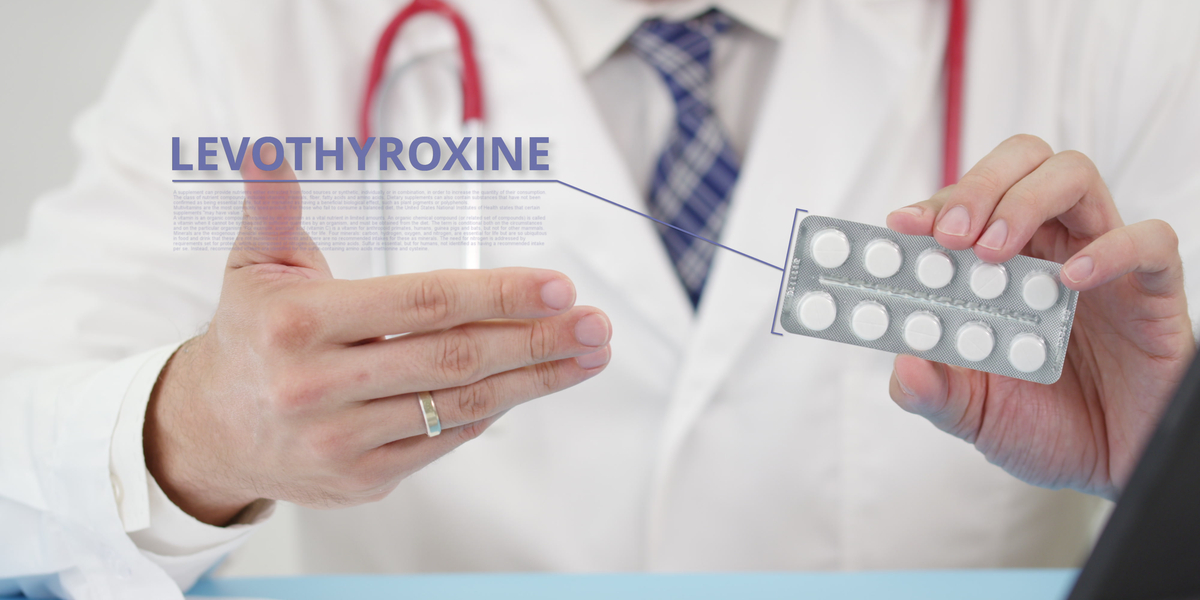
Understanding Levothyroxine
Levothyroxine is a synthetic thyroid hormone (T4) used to treat hypothyroidism. It restores missing hormones and helps normalize metabolism, energy levels, and body function.
When thyroid hormone levels are low, symptoms may include:
- Fatigue and low energy
- Weight gain
- Cold intolerance
- Brain fog
- Depression or mood changes
Levothyroxine helps correct these imbalances, but only when properly absorbed by the body.
⚠️ Important: Food That May Reduce Absorption
Many patients are not told clearly that diet plays a direct role in medication effectiveness.
❗ Two key food groups that may interfere:
- Calcium-rich foods or supplements
- Iron-rich foods or supplements
These can bind to levothyroxine in the stomach and reduce how much medication your body actually absorbs.
What this means in real life:
Even if you take the correct dose, your thyroid levels may still stay unstable if these foods are taken too close to your medication.
👉 That is why timing matters just as much as dosage.
How Levothyroxine Works
After absorption, levothyroxine is converted into active T3 hormone, which regulates metabolism and energy production.
Its key functions include:
- Boosting metabolic rate
- Supporting energy and alertness
- Regulating heart function
- Maintaining body temperature
- Supporting brain activity
Stable absorption = stable hormone levels.
How to Take It Correctly
To maximize effectiveness:
- Take once daily in the morning
- Take on an empty stomach
- Wait 30–60 minutes before eating
- Use a full glass of water
Avoid taking within 4 hours of:
- Calcium supplements
- Iron supplements
- Antacids
This simple rule can dramatically improve treatment stability.
Common Brands
Popular options include:
- Synthroid – widely used, stable dosing
- Levoxyl – cost-effective and reliable
- Tirosint – allergen-free formulation
- Euthyrox – multiple dosage options
- Generic levothyroxine – lowest cost option
Consistency matters more than switching between brands.
Pricing Overview
- Generic: $10–$30/month
- Brand-name: $20–$50/month
- Specialty forms: up to $90–$110/month
Insurance often covers at least one version.
Pros and Cons
Advantages:
- Highly effective hormone replacement
- Long-term safety record
- Improves energy and metabolism
- Affordable options available
Limitations:
- Requires daily long-term use
- Sensitive to food interactions
- Needs regular blood tests
- Dose adjustments over time
Smart Patient Tips
- Take medication at the same time daily
- Avoid food or supplements that reduce absorption
- Separate calcium/iron by at least 4 hours
- Do not switch brands without medical advice
- Track symptoms like fatigue or palpitations
👉 Small routine mistakes can lead to big hormone fluctuations.
Treatment Timeline
| Stage | What Happens |
|---|---|
| Start | Begin daily dosing |
| 2–3 weeks | Early symptom improvement |
| 6–8 weeks | First lab adjustment |
| Stable phase | Long-term maintenance |
Most patients feel improvement gradually—not immediately.
❗ Why This Matters
If you are taking levothyroxine but still feel tired, weak, or unstable, the cause may not always be the dose.
In many cases, the issue is simple:
food timing and absorption interference.
Fixing this alone can significantly improve treatment results.
Frequently Asked Questions
What is levothyroxine used for?
It treats hypothyroidism by replacing missing thyroid hormone.
Can food affect it?
Yes. Calcium and iron are two of the most common factors that reduce absorption.
When should I take it?
Morning on an empty stomach is recommended.
What if I miss a dose?
Take it the same day if possible. Otherwise skip and continue normally.
Final Takeaway
Levothyroxine is highly effective—but only when used correctly.
The most important rule is simple:
👉 Take it consistently, and avoid foods that block absorption.
Understanding this small detail can make a major difference in thyroid stability, energy levels, and long-term health outcomes.